After Breastfeeding Three Babies, Here's What I Wish Every New Mum Knew
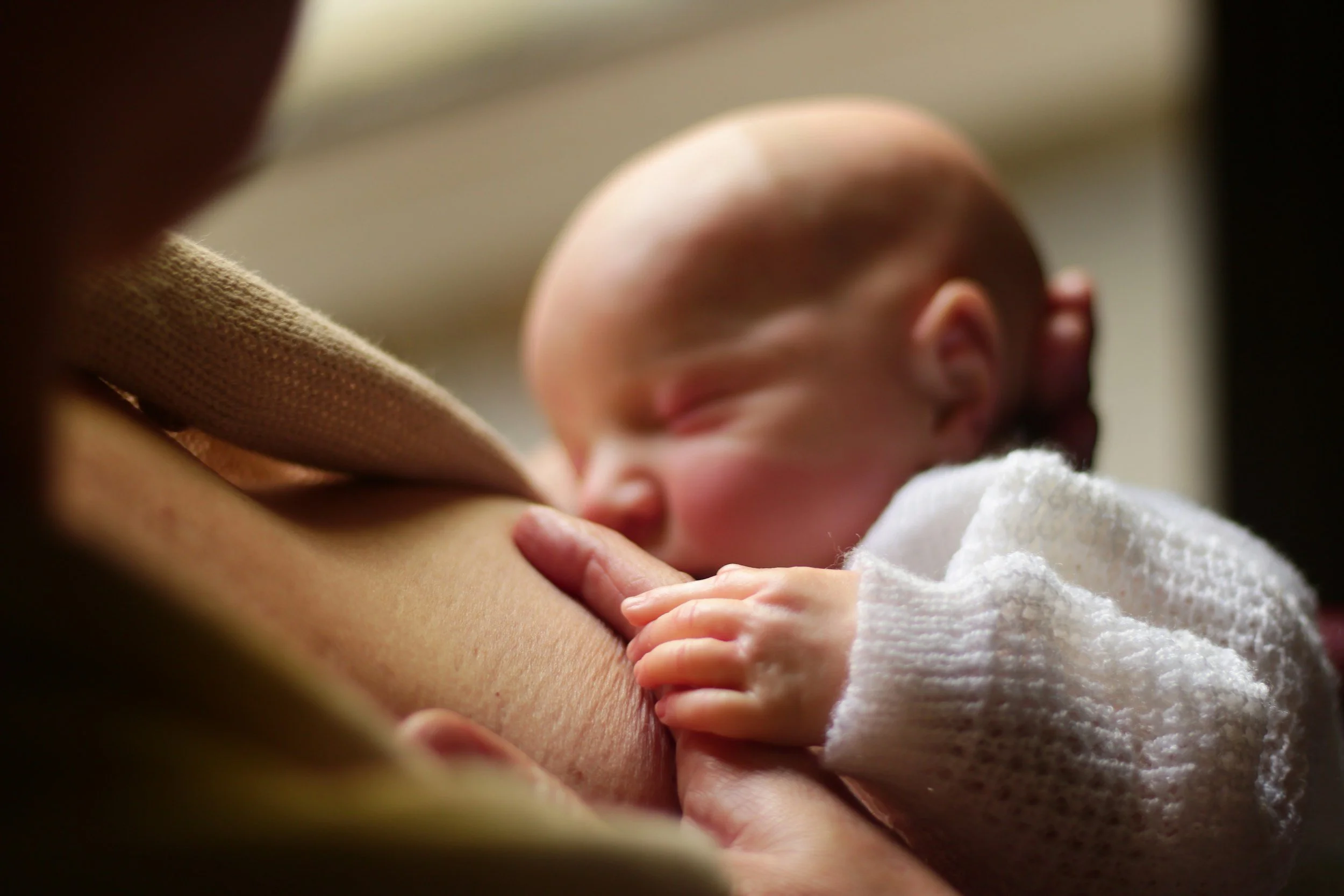
Nobody warned me that breastfeeding might be one of the hardest parts of becoming a mum.
Before I had my first baby, I assumed breastfeeding would come naturally. I imagined babies instinctively knew what to do and mums did too. It sounds naïve now, but I genuinely believed it would just happen.
It wasn't until my daughter was born that I realised how wrong I was.
We hear so much about the benefits of breastfeeding, but far less about the reality. That it can be painful. That it can be emotionally exhausting. That it can take weeks, or even months, for both mum and baby to find their rhythm. And sometimes, despite your very best efforts, it simply doesn't work out the way you'd hoped.
Now, having breastfed three children, I've realised something I wish every expectant mum knew:
No two breastfeeding journeys are ever the same.
If I could sit down with every new mum before she welcomed her baby, these are the things I'd tell her.
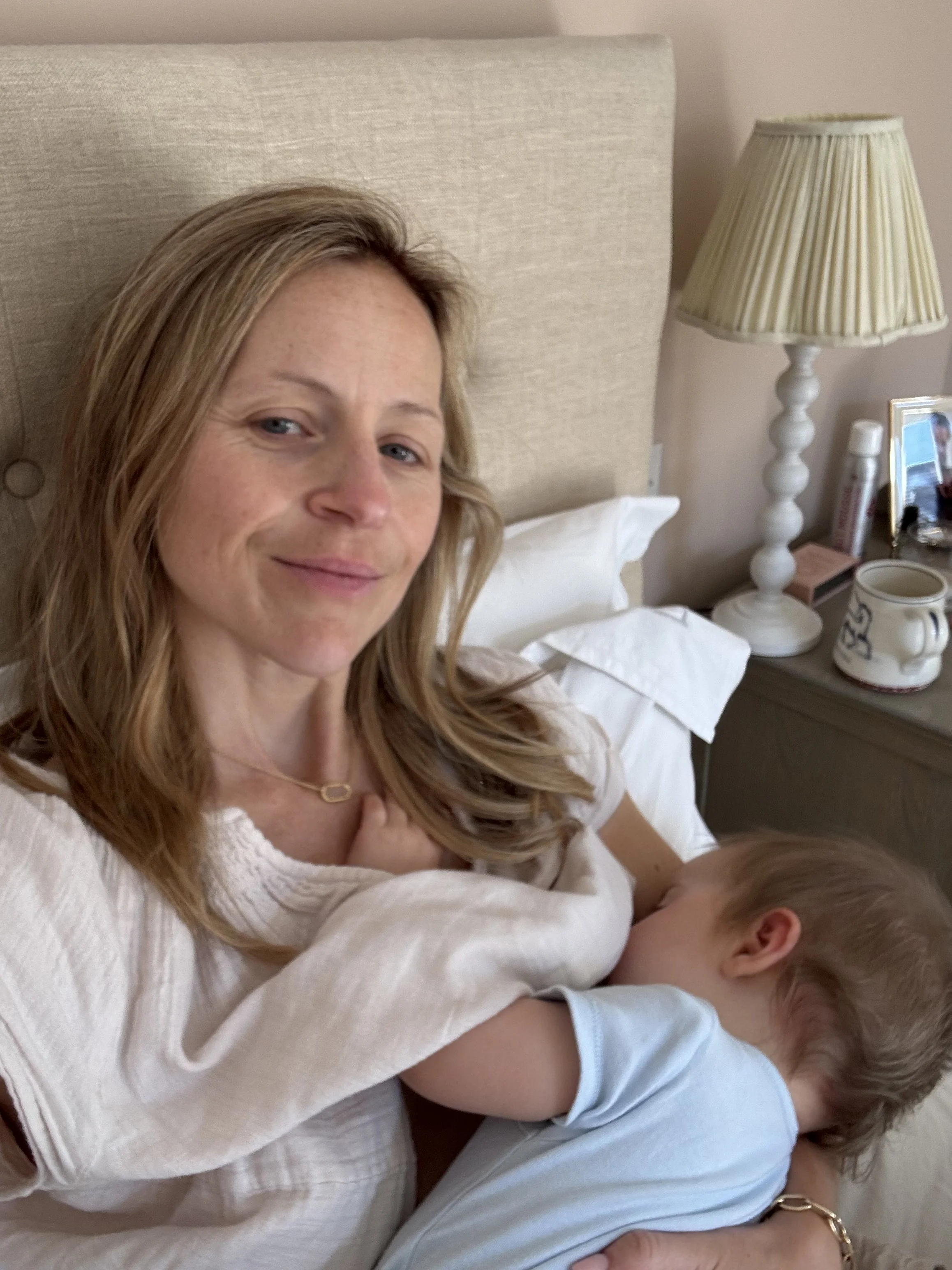
Breastfeeding doesn't always come naturally
My first daughter taught me that almost immediately.
I found breastfeeding incredibly difficult. My nipples became bruised and sore, every feed was painful and, no matter how long she fed for, she always seemed hungry. She would fuss at the breast, struggle to settle afterwards and I constantly questioned whether she was getting enough milk.
More than anything, I felt like I was failing.
Looking back, I realise I wasn't failing at breastfeeding; I was simply trying to learn something I'd wrongly assumed would come naturally. I wish someone had told me that before she was born.
Eventually I saw a lactation consultant, who helped us improve her latch. It didn't magically solve every challenge, but it gave me confidence and reminded me that asking for help isn't a sign of failure—it's often the first step towards finding what works for you and your baby.
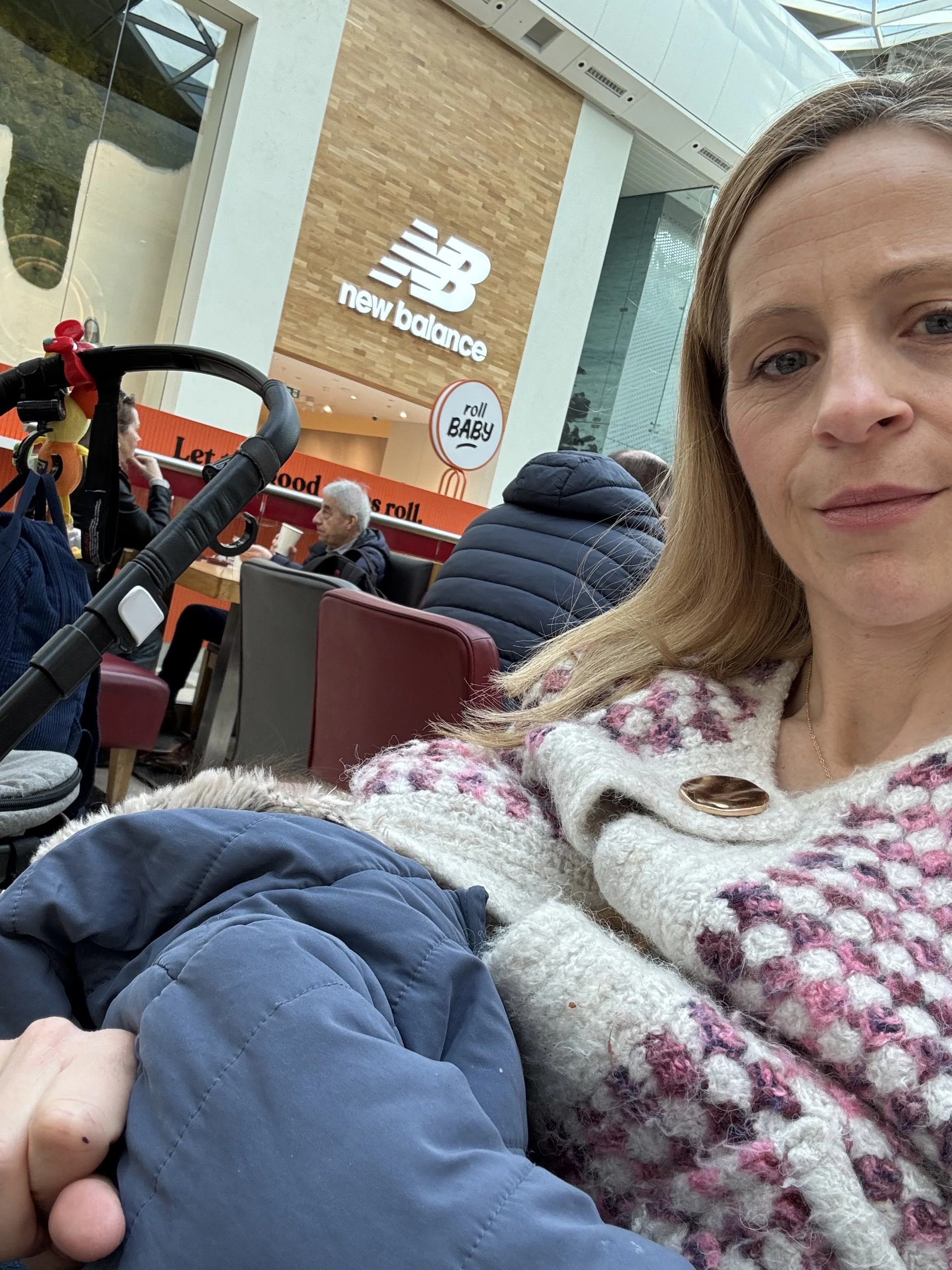
Feeding doesn't have to be all or nothing
Because my daughter never seemed settled after a feed, I started topping her up with formula.
At first, I breastfed her and then immediately offered a bottle. Looking back, I realise I was doing double the work, desperately trying to make breastfeeding happen because I thought that was what I should do.
Eventually I began replacing some feeds with formula altogether, and after a few months we moved to formula feeding completely. We later discovered she had a cow's milk protein intolerance, which explained some of the difficulties we'd been experiencing.
At the time, I carried an enormous amount of guilt.
Now, I don't.
Looking back, I know I made the right decision for my daughter, for me and for our family. That experience taught me something I've carried through the rest of motherhood: feeding doesn't have to be all or nothing. Combination feeding can be an incredible option, and there should never be guilt attached to doing what works for your family.
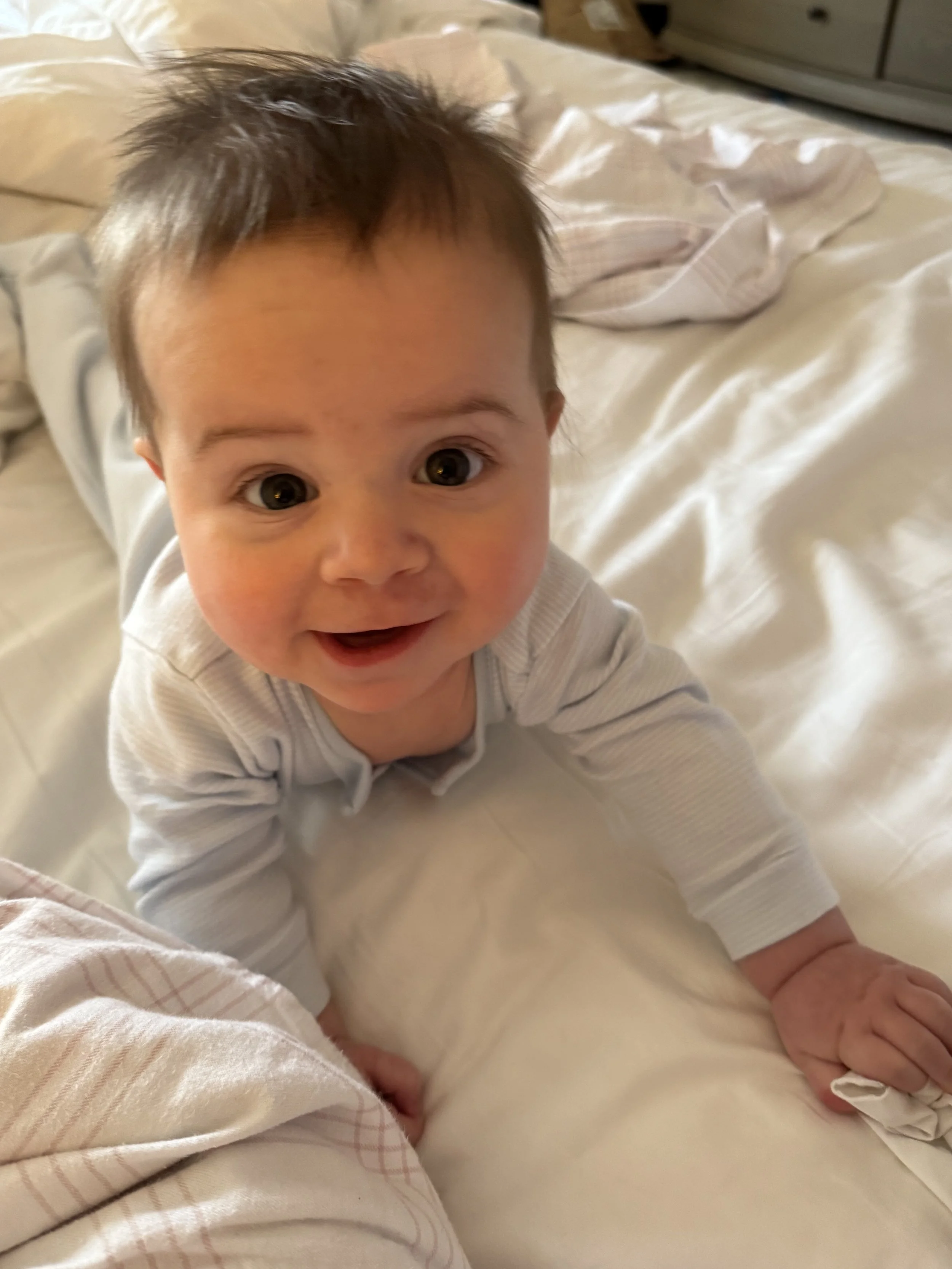
Every baby writes a different story
When my second daughter arrived, breastfeeding felt different again.
Technically, it was easier.
Life, however, wasn't.
I now had a toddler who also needed me, and trying to feed a newborn while entertaining an older child felt almost impossible some days. I often expressed milk so she could still have breast milk from a bottle, and combination feeding once again became the right solution for us.
I also never felt completely comfortable breastfeeding in public. I worried about who was watching, whether I was doing it properly and whether my baby would settle. Again, I assumed that I was just someone who didn’t naturally find breastfeeding easy.
Then my third baby arrived.
To my complete surprise, everything changed.
We still had to work on positioning in those early weeks, but once we did, I genuinely loved breastfeeding.
For the first time, I felt completely relaxed and found a new level of confidence. Feeding in public no longer worried me and even with two older children needing my attention, it somehow felt easier. It was a completely different experience.
The biggest surprise wasn't that I enjoyed breastfeeding, it was how emotional I felt when it came to an end. After spending so much of my early motherhood counting down the days until feeding became easier, I suddenly found myself wishing those final feeds could last just a little longer. That was something I'd never expected.
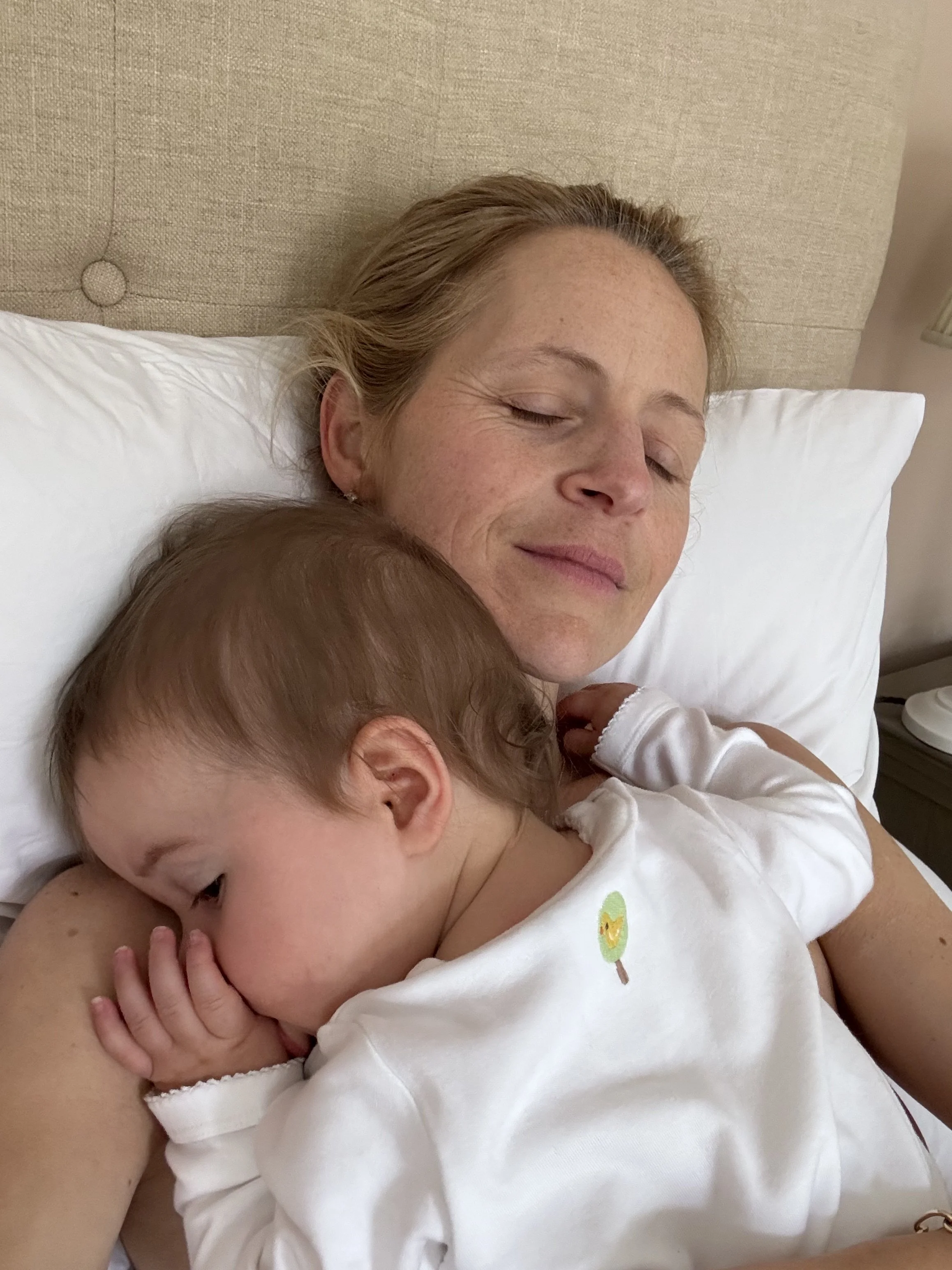
Your first experience doesn't predict your next
If breastfeeding three children has taught me anything, it's that every baby is different. Every mother is different. Every season of motherhood is different.
A difficult first breastfeeding journey doesn't mean your next will be the same. Equally, an easy experience doesn't guarantee the next one will be straightforward.
There isn't a formula for motherhood, and there certainly isn't one for breastfeeding.
What I wish I'd known before becoming a mum
If I could go back and speak to the version of myself holding my first baby—exhausted, emotional and convinced I was getting everything wrong—I'd tell her this.
Breastfeeding isn't always instinctive.
It's OK to ask for help.
Combination feeding isn't failure.
Formula feeding isn't failure.
Stopping breastfeeding isn't failure.
Most importantly, feeding your baby is not a measure of your success as a mother.
For many women, those first few weeks after birth are the most physically and emotionally vulnerable they'll ever experience. You're recovering from birth, navigating huge hormonal changes, surviving on very little sleep and learning how to care for a tiny new human who depends on you for everything.
While breastfeeding can be a wonderful experience, protecting a mother's mental health matters too.
Sometimes breastfeeding is the right choice.
Sometimes combination feeding is.
Sometimes formula feeding is.
The right choice isn't the one that satisfies someone else's expectations or fits neatly into a parenting book. It's the one that allows both mum and baby to thrive.
Over the years, my own mindset has changed. Before I became a mum, I believed "breast is best" without really questioning what that meant in real life. After three completely different experiences, I see it differently.
I believe fed is best.
A baby who is loved, nourished and growing is what matters most, whether that's through breastfeeding, combination feeding or formula. And a mother who feels supported, confident and emotionally well matters just as much.
But if breastfeeding three children taught me anything, it's this: there is no single "right" way to feed your baby. There is only the way that works for you, your baby and your family.
And if your baby is loved, fed and thriving—and you're looking after yourself too—you are doing a far better job than you probably realise.
This article reflects my personal experience of breastfeeding three children. Every family's feeding journey is unique, and if you're struggling, I'd always encourage you to seek support from your midwife, health visitor, GP or a qualified lactation consultant.